Interfaces that hold up when the data gets messy.
Saintrac designs product and software interfaces for the states that only appear after the demo: when the list is empty, when the request fails, when the table holds two hundred rows instead of five, and when the user has to wait.
Most product design portfolios show the happy path: the screen that looks polished when everything works and the data is clean. We design for the week after launch, when real users encounter edge cases, errors, and the dense or empty states the demo never included.
Design and build share one process here. The people who design the interface are part of the team that builds it, so design decisions are made with build constraints in view, and build decisions are made with design intent in view.
Who it's for
This page is for companies building software, portals, or systems where the interface has to work with real data, not just look good in a screenshot.
Typical fits:
- A business building a portal or dashboard where users interact with their own data, and the empty, loading, and error states are as important as the designed-for case.
- A company replacing a system whose interface was designed for five clean rows and breaks when real usage produces fifty, or whose error messages say "Something went wrong" instead of what to do next.
- A product team that needs interface design integrated with engineering from the start, not handed off as a separate deliverable that has to be reinterpreted during build.
If you need design for a public marketing website, see Web design & development.
The business problem
Most products do not fail at looking polished in a screenshot. They fail when the interface meets real data.
The dashboard designed for a handful of clean rows breaks when a real user has two hundred. The form that worked in testing shows a generic error when something goes wrong in production, with no guidance on what the user should do next. The empty state that was never designed leaves a blank screen and a confused customer.
A product interface that only works in the happy path is not finished. It is a demo that will break the week after launch.
What Saintrac delivers
Product and interface design, scoped in writing, with a fixed price and a real timeline.
What you get:
- Interface design for the full set of states: the happy path, the empty state before data exists, the loading state while the system works, the error state when something breaks, and the dense state when real usage produces more data than the designed-for case.
- Flows and interactions designed for actual use: how a user moves through the system, where they get stuck, what they see when something goes wrong, and what actions are available at every step.
- Design integrated with engineering. Product design and software engineering share one team at Saintrac, so the interface is designed with build constraints in view and built with design intent in view. No handoff between separate agencies that have to reinterpret each other's work.
- Design decisions tested against real data and real workflows during build, not frozen at handoff. The scoped engagement includes the iterations needed to get it right.
- Handover: design files, assets, and a walkthrough of the interface decisions and why they were made. After handover we usually offer a maintenance plan. No published price.
Product design does not include a week-one staging link. The timeline is scoped after the first call. No published week range.
How an engagement runs
01
Get specific
A call, then a written scope with a fixed price and a clear timeline. If we are the wrong fit, you hear it here.
02
Build in the open
A live staging link from early in the build. You see progress as it happens instead of waiting for a late reveal.
03
Hand over the keys
Your accounts, your repo, your CMS, your domain, plus a walkthrough so your team can run it.
04
Stay reachable
Ongoing support if you want it, never as the price of editing your own site.
Relevant work
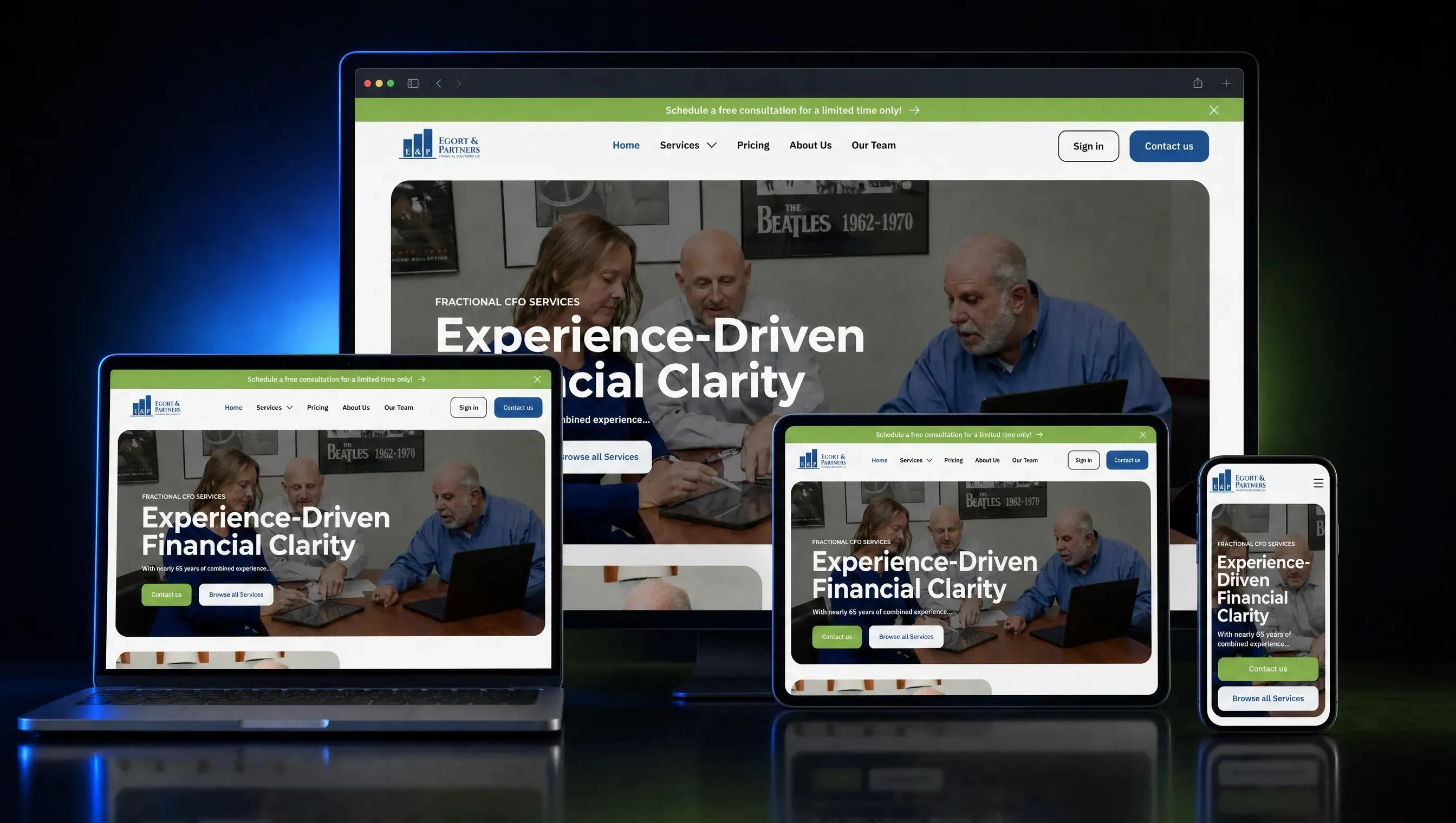
A financial practice whose casework lived across mail, phone calls and a shared drive, and now sits in one place their clients can open.
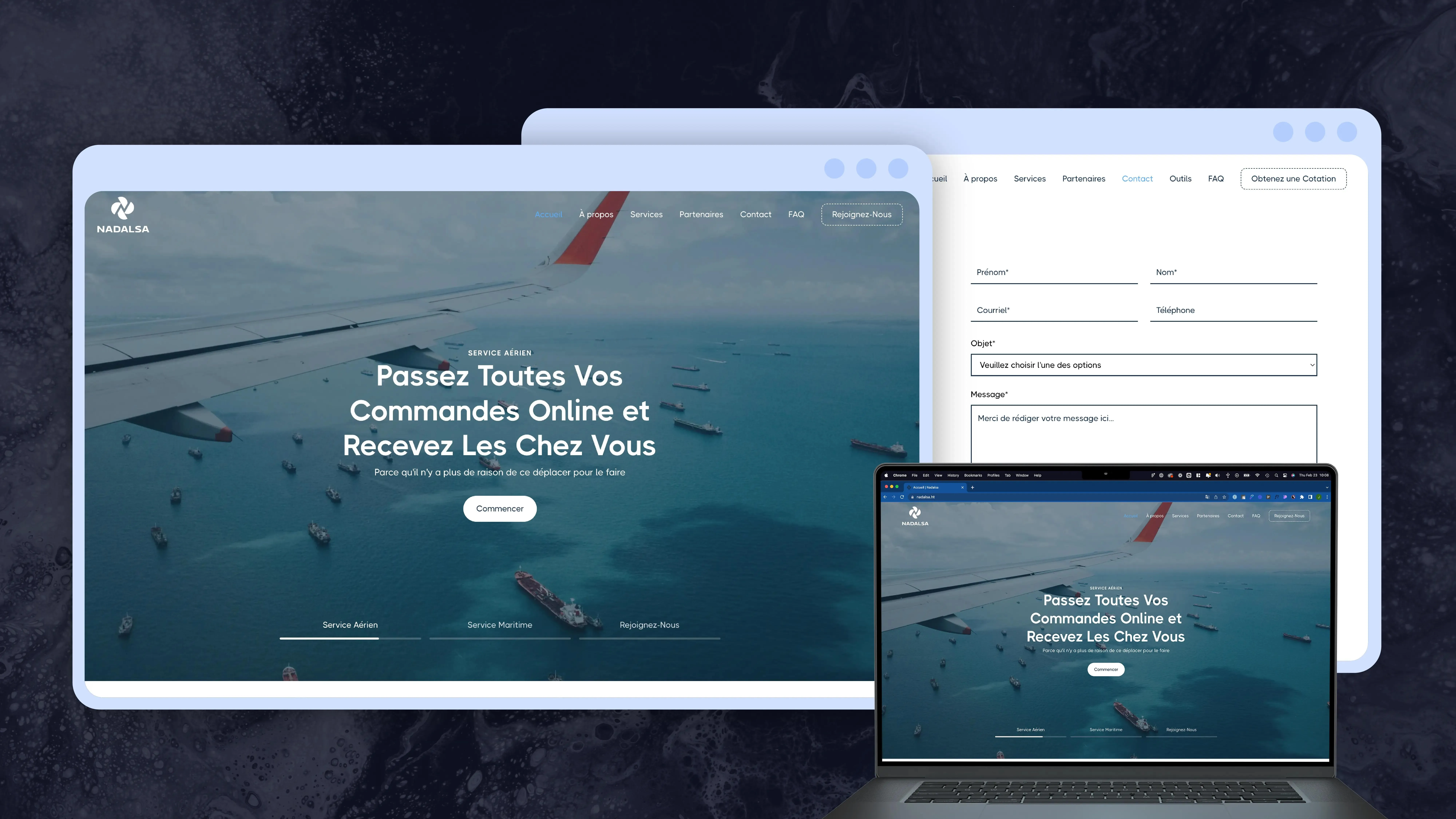
What started as a website in 2019 became the marketing infrastructure behind an entire operation.
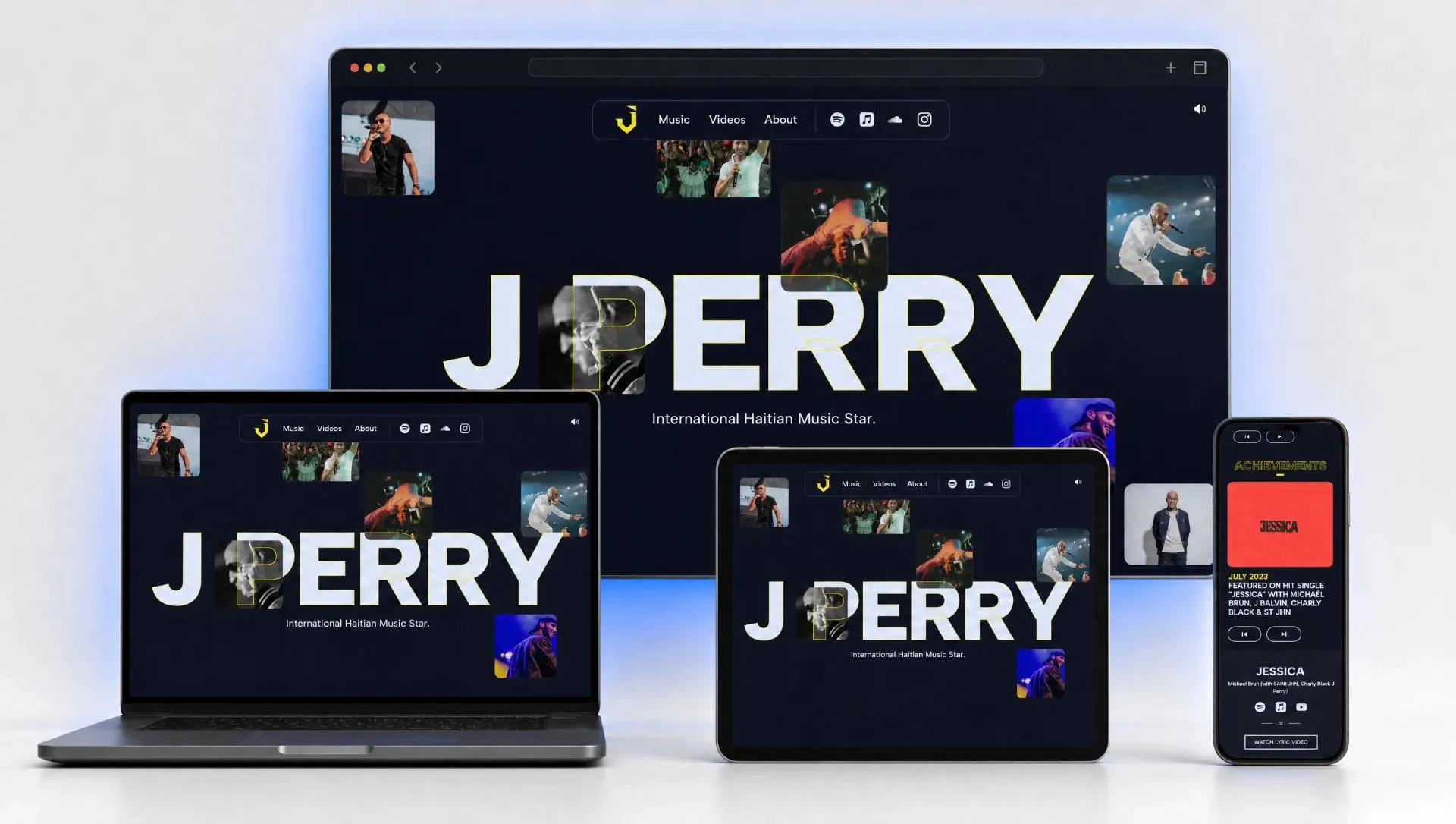
An artist site built to carry releases and tour dates without a developer in the loop.
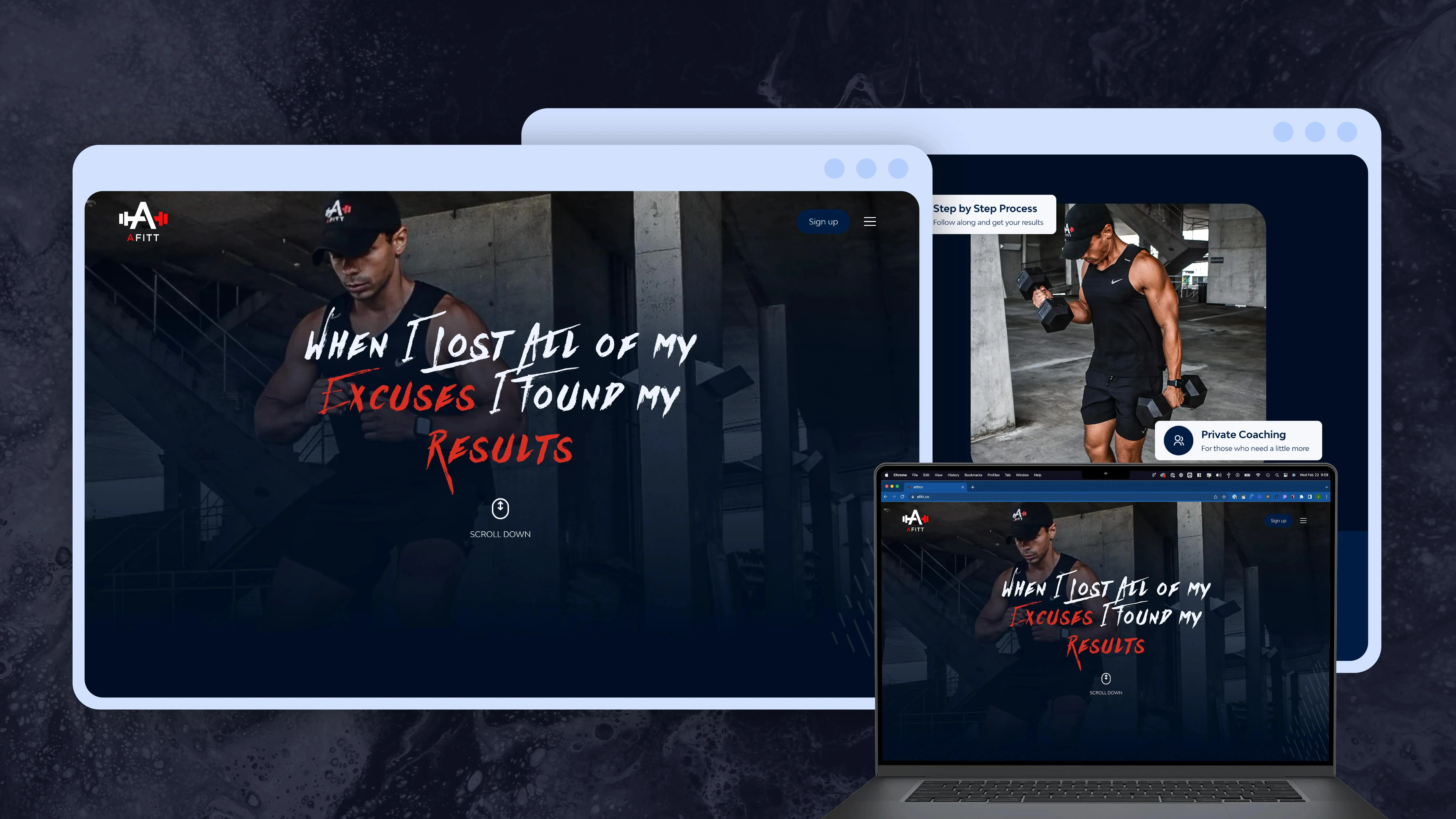
Identity and website for a fitness studio that sells a habit, not a subscription.
Egort: Invitation-only client portal. Interface designed for case documents, status, and the states that only appear when real cases are opened. Afitt: Brand and web for a fitness studio. Interface considerations included the CMS the team would operate. J Perry: Artist website with a CMS for releases and tour dates, including the empty state when no dates are live. Nadalsa: Webflow site and ongoing operations. Interface designed for team editing.